Blog Posts
-
When Vibe Coding Meets the Real World: Security, Governance and the Rise of S2aaS
The question is no longer whether AI can generate code. It clearly can. The real question is whether “vibe coded” products can be trusted, governed and secured well enough to be taken seriously inside an enterprise. Over the past year, tools such as Claude, OpenAI, Gemini and others have dramatically lowered the barrier to software…
-
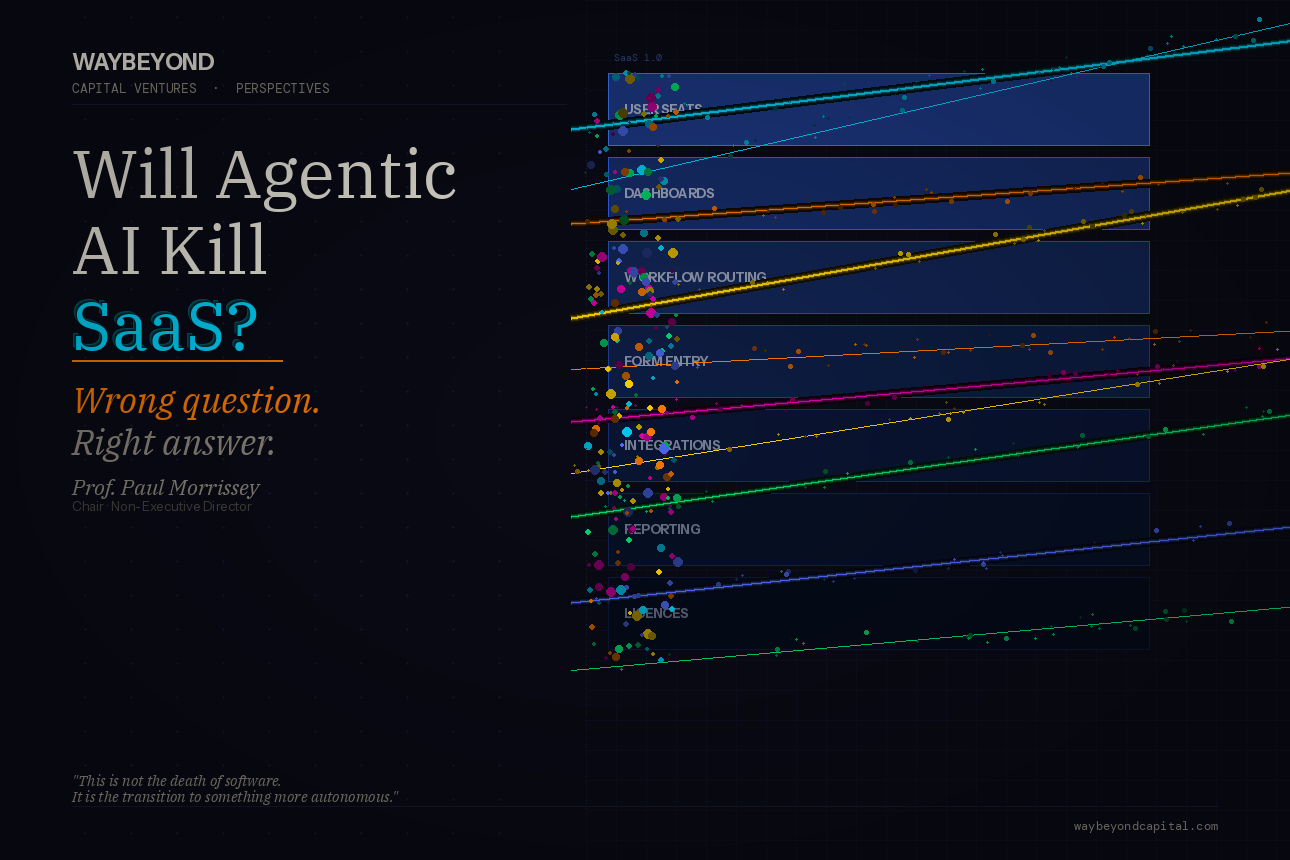
Agentic AI vs SaaS: Is This the Beginning of the End — or the Next Evolution?
Over the past few months, I have been asked the same provocative question again and again: “Will Agentic AI be the nail in the coffin for SaaS?” It’s a good question. But I think it’s the wrong one. The real question is this: Will Agentic AI expose which SaaS companies actually own real value —…
-
The Importance of Board Disagreements
Corporate boards exist at the heart of modern governance. They sit between ownership and management, responsible for ensuring that organisations are directed and controlled in ways that create long-term value while protecting the interests of stakeholders. The board’s responsibilities include oversight of strategy, monitoring performance and risk, and ensuring accountability to shareholders, regulators and society…
-

AI, Creativity, and the Next Rights Settlement: Why We Must Build the Future Without Hollowing Out the Artists
Alternate title: From Tools to Teammates: AI’s Creative Upside — and the Rights Reckoning We Can’t Avoid I’ve spent much of my professional life watching industries change when a new “general‑purpose” technology arrives. Telecoms did it with digitisation and the smartphone. Media did it with streaming. Now the creative industries are doing it with generative…
-
From Exit to Re‑Entry: A Manifesto for Agentic AI, Living Worlds, and the Next Era of Games
I have spent much of my professional life at the intersection of creativity, technology, and commercial reality. Games sit precisely at that crossroads. They are cultural artefacts, technical achievements, and economic engines all at once. When they succeed, it is because those three forces are aligned. When they fail, it is almost always because one…